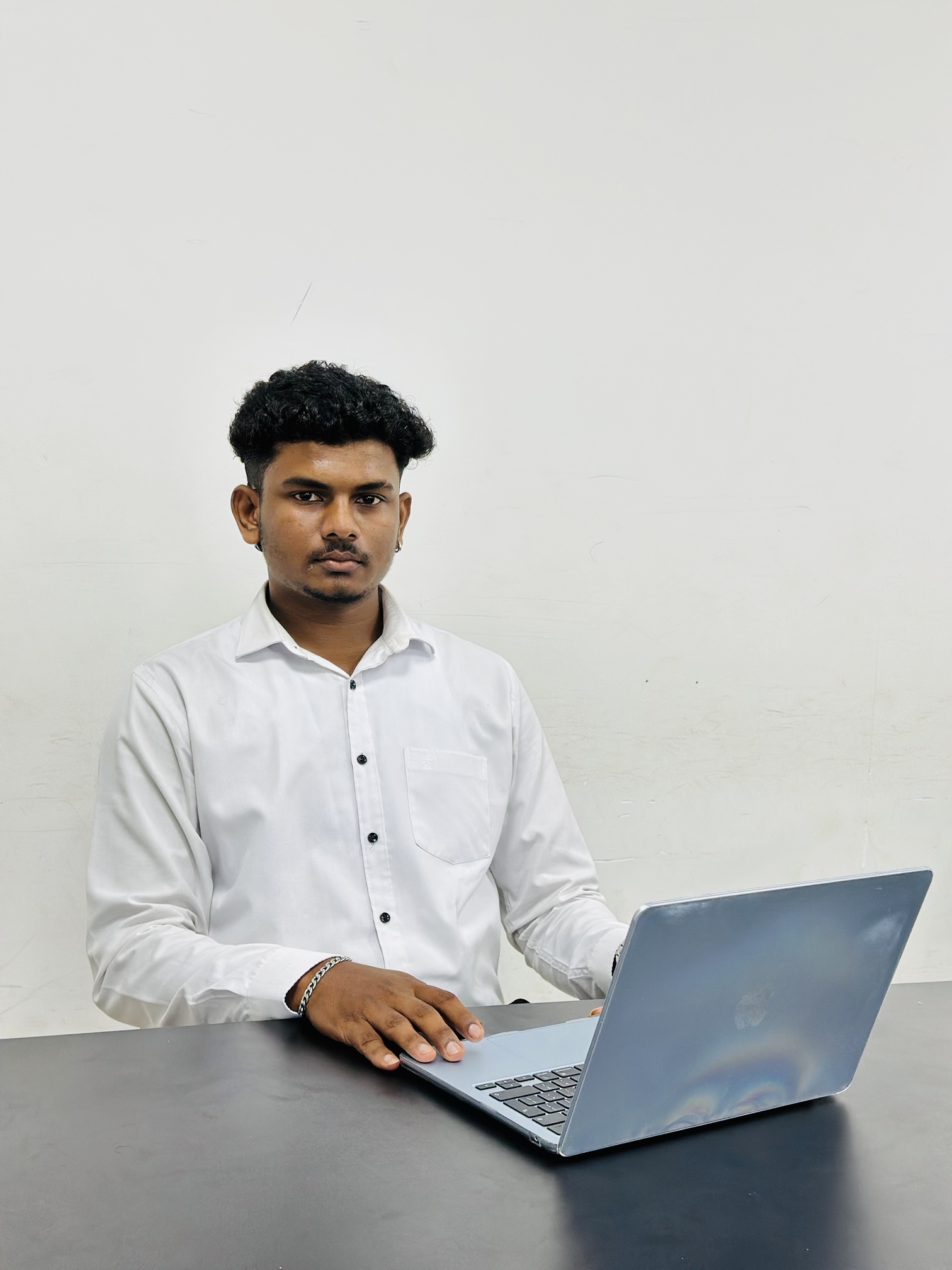
Hello, I'm Guganesan Thenugan

Computer Science & Software Engineering Student

Passionate about technology and problem-solving with foundational skills in programming languages like Java, C, and C++, along with web development experience.

Profile Image
Scroll Down

About Me

As a second-year BSc (Hons.) Computer Science and Software Engineering student at SLIIT NORTHERN UNI, I am deeply passionate about technology and problem-solving.

Education

BSc (Hons) Computer Science and Software Engineering

SLIIT NORTHERN UNI

Expected Graduation: October 2026

Languages

English Tamil

3+

Programming Languages

5+

Projects Completed

2

Years of Study

Skills & Expertise

Technical Skills

Programming Languages

C & C++ Java PHP Python

Web Development

HTML CSS JavaScript Bootstrap

Database Management

SQL MySQL

Developer Tools

Dev C++ XAMPP Visual Studio Eclipse NetBeans

Soft Skills

Flexibility

Adaptability

Teamwork

Communication

Leadership

Featured Projects

September 2024

TORO Bike hop

Developed a fully functional individual full-stack Fruit Basket e-commerce website using HTML, CSS, JavaScript, and PHP.

HTML CSS JavaScript PHP
September 2024

LEARNERS OOP Java Swing Application

Developed a group project, LEARNERS, using Java Swing and SQL for creating an educational management system.

Java Swing SQL
April 2024

Android Application

Developed a group project, an Android app using Java, Firebase, and REST API, to provide AI-powered features with real-time data synchronization and seamless user interaction.

Java Firebase REST API Android

Professional Skills Portfolio

A comprehensive collection of professional development modules completed during my academic journey, demonstrating growth in essential workplace skills and competencies.

Session 1: Introduction to Professional Skills

Employability Skills

Developed core competencies in teamwork, communication, adaptability, and leadership essential for professional success.

Teamwork Communication Adaptability Leadership

CV & Cover Letter Writing

Mastered the structure and format of professional documents, understanding the difference between CV and résumé, and creating job-specific applications.

Interview Skills

Learned various interview types and stages, developed effective communication techniques, and practiced through mock interviews.

Negotiation Skills

Understanding different negotiation types including win-win scenarios and compromise strategies for professional growth.

Portfolio Writing

Explored various portfolio types, developed self-reflective writing skills, and created professional portfolios.

Team Leadership Skills

Studied team development stages, enhanced leadership capabilities, decision-making, and problem-solving while embracing diversity.

Meetings & Documentation

Learned to structure agendas, write minutes, organize effective meetings, and create standard processes and instructions.

Emotional Intelligence

Developed self-awareness, self-management, social awareness, and relationship management skills.

Personal Development Planning

Conducted SWOT analysis and developed strategies for personal and career growth.

Professional Etiquette

Mastered workplace, telephone, and email etiquette, business correspondence, and professional responsibility and ethics.

Research Skills

Learned research paper structure, basic research design, ethics, and proper referencing techniques.

Social & Professional Decorum

Developed dining and grooming etiquette, professional behavior in formal situations, and appropriate dressing skills.
Session 2: Portfolio Management

What is a Portfolio?

A presentation of yourself showcasing skills, achievements, and experiences. It reflects the real you – both personal and professional, helping in organizing, showcasing, and evaluating growth.

Uses of a Portfolio

  • Job Applications – Evidence of skills & achievements
  • Career Advancement – Promotions, raises, new roles
  • Creative Industries – Art, design, photography, writing
  • Education – Learning progress, academic admissions
  • Freelancing & Consulting – Showcase services, projects, testimonials
  • Networking & Personal Branding – Building credibility & confidence

Types of Portfolios

Personal Portfolio

Creative work, talents, projects

Career/Dossier Portfolio

Professional achievements, CV, cover letter

Employment Portfolio

Work samples, evaluations, training certificates

Assessment Portfolio

Documents learning growth, progress, self-reflection

PEAKS Framework

A career portfolio contains accomplishments, skills, and recent work based on:

Personal Characteristics Experience Accomplishments Knowledge Skills

Reflection Framework

What?

Describe the experience (facts)

So What?

Meaning, interpretation, lessons learned

Now What?

Application, future improvement

Session 3: Writing a Project Proposal

What is a Project?

A planned task requiring time, effort, and resources. To begin, a project proposal must be prepared to gain approval.

External Proposal

Submitted as a bid for contracts

Structure:
  • Executive Summary – Concise overview of technical, managerial, and financial aspects
  • Management Section – Team expertise, previous successes, training, technical support, and project schedule
  • Financial Section – Detailed cost breakdown

Internal Proposal

Written to persuade colleagues or management within an organization

Process:
  • Planning – Know your audience, their authority, knowledge, and level of involvement
  • Organizing – Answer: What is the problem? What is the solution? Can/should it be implemented?
  • Writing – Include Introduction, Discussion Section, and Summary

Session 4: CV Writing

What is a CV?

A document that summarizes education, work experience, skills, and achievements. Its purpose is to show qualifications and suitability for a job. A well-crafted CV helps you stand out and secure interviews.

Making a Good First Impression

  • Clear formatting, concise writing, error-free content
  • Visually appealing, easy to navigate

Tailoring Your CV

  • Adapt to the specific job role
  • Highlight most relevant skills and experiences
  • Use keywords from job description (important for ATS systems)
  • Show research about the company and role

Key CV Components

Personal Info

Name, contacts, LinkedIn/portfolio

Professional Summary

Brief career goals + key skills

Work Experience

Reverse chronological order with achievements

Education

Degrees, institutions, years, honors

Skills

Both technical and soft skills

Achievements

Certifications, recognitions, accomplishments

Session 5: Job Interviews

Definition

A job interview is a conversation between an applicant and an employer to assess skills, knowledge, and suitability. Both sides exchange information: employer (competence) vs. candidate (job fit).

Role of Communication

Verbal + Non-verbal communication are key:

55% Body Language
38% Tone
7% Words

93% of communication is non-verbal!

Successful Candidates

  • Specific, researched, positive
  • Use company name & jargon
  • Smile, maintain eye contact, show enthusiasm
  • Ask questions, give detailed answers

Unsuccessful Candidates

  • Vague, little research, neutral tone
  • Poor eye contact, few questions
  • Short answers, resisted topic changes

6 C's of Communication

Clear

Easy to understand

Concise

Brief, no fluff

Correct

Accurate info

Complete

Full details

Concrete

Use examples

Courteous & Confident

Polite and positive

Session 6: Speaking and Meeting Skills

Purpose of Meetings

Share information, solve problems, make decisions, and plan actions. Different types include: formal, informal, progress, planning, review, and brainstorming.

Roles in Meetings

Chairperson/Facilitator

Leads, manages time, encourages participation

Secretary

Takes minutes, circulates documents

Treasurer/Finance Officer

Manages funds, provides reports

Editor/Communicator

Prepares communication materials

Members

Contribute ideas and feedback

Facilitation Strategies

  • Encourage participation from all
  • Manage time effectively
  • Handle conflicts politely
  • Keep discussions on track

Session 7: Email Use & Etiquette

Session 8: Food Festival

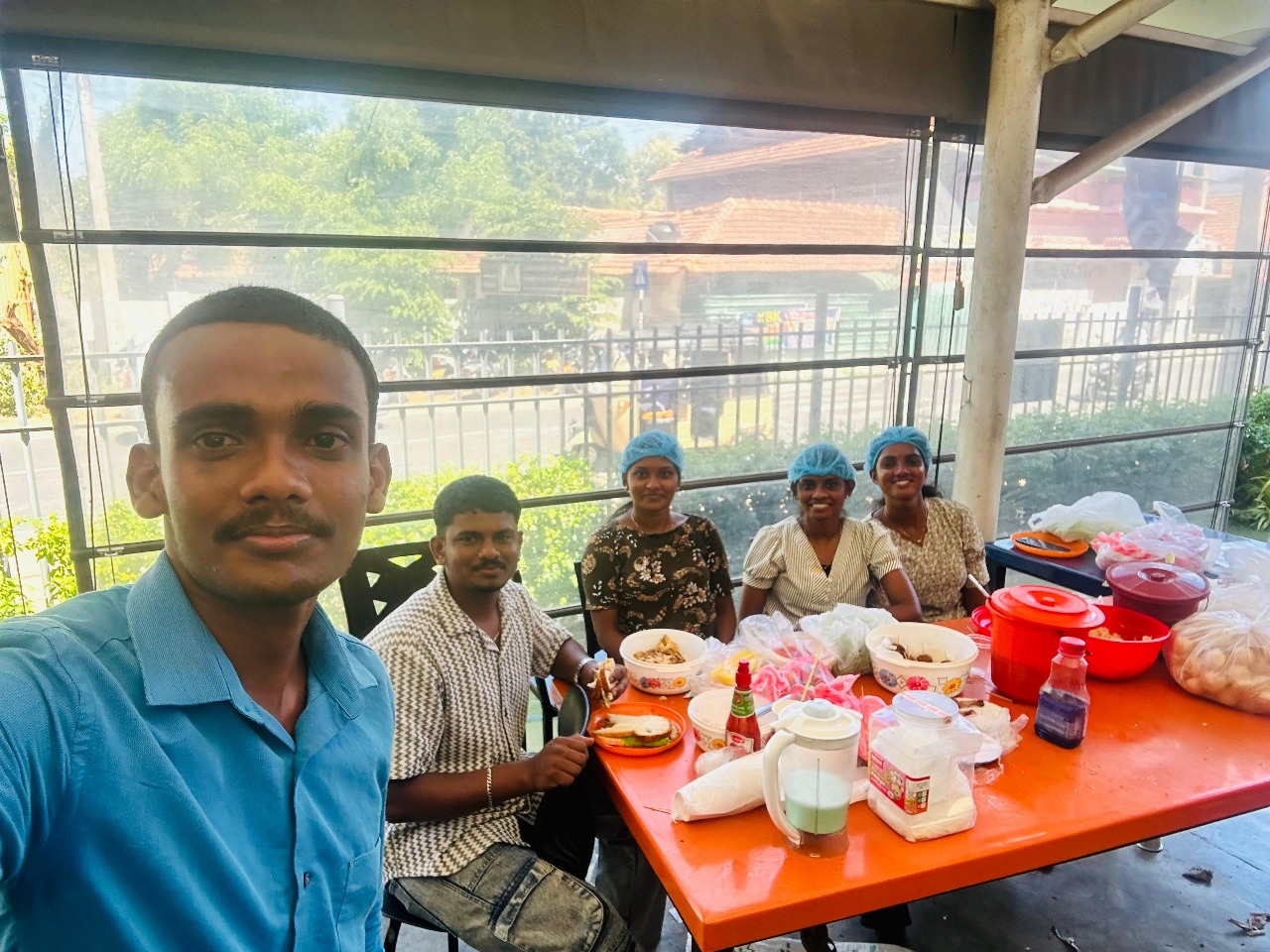
Participated in organizing and managing a food festival event, demonstrating practical application of event management, teamwork, and cultural appreciation skills.

Food Festival - Team Cooking Activity
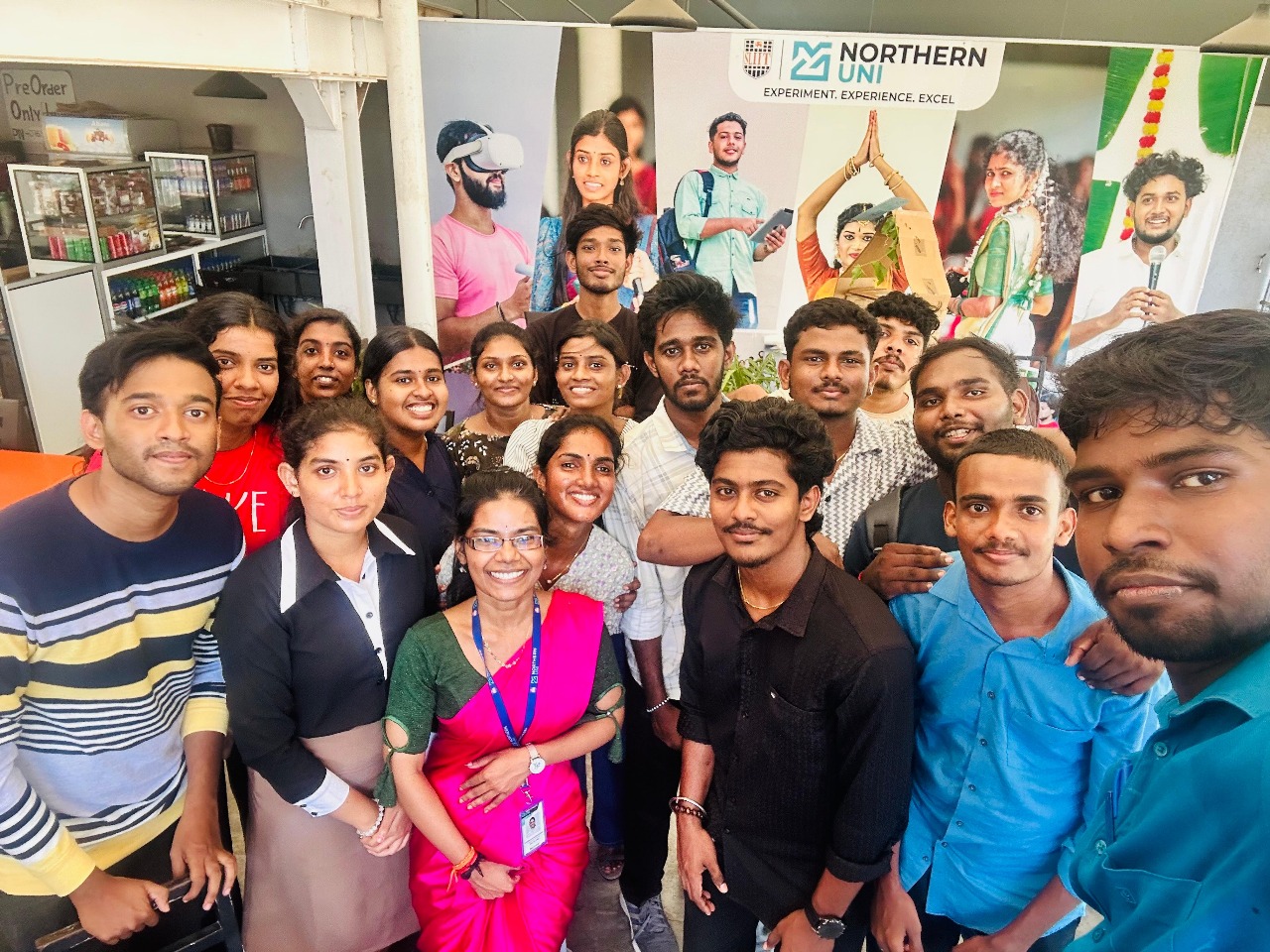
Food Festival - Group Photo with Faculty

Skills Demonstrated

Event Management Team Coordination Cultural Awareness Organization

Session 9: Team and Leadership

Teamwork

Working collaboratively to achieve common goals. Requires trust, communication, and shared responsibility. Benefits include higher creativity, efficiency, problem-solving, and motivation.

Qualities of a Good Team Member
  • Reliable & responsible
  • Active listener, respectful communicator
  • Supportive, adaptable, and cooperative
  • Contributes skills and ideas

Leadership

The ability to guide, influence, and motivate others toward achieving goals. Involves vision, decision-making, and accountability.

Leadership Styles
Autocratic

Leader makes decisions alone (quick but less team input)

Democratic

Decisions made with team participation (encourages involvement)

Laissez-faire

Leader gives freedom; minimal interference (good for skilled teams)

Transformational

Inspires innovation and motivation

Transactional

Focus on rules, structure, rewards, and punishments

Team vs. Group

Group

Individuals working independently

Team

Members work interdependently toward a shared goal

Session 10: Telephone Etiquette

Importance

The telephone is a key business tool for communication. Professional use creates a positive image for you and your organization.

Answering Calls

  • Pick up within 2–3 rings
  • Use professional greeting
  • Tone is more important than saying "Good morning/afternoon"

Placing Callers on Hold

  • Always ask permission: "May I put you on hold?"
  • Check back every 30–45 seconds
  • Thank the caller for waiting
  • Offer alternatives (take a message, call back, or transfer)

Transferring Calls

  • Explain why you are transferring
  • Confirm with the new department/person first
  • Give caller the name, department, and number of the new contact

Taking Messages

  • Use a message form if possible
  • Include all necessary details (recipient, caller, company, contact, date, time, message, action)
  • Deliver messages promptly and keep them confidential

Proper Telephone Language

Use: "May I ask who's calling?"
Avoid: "Who's calling?"

Replace negative wording with positive alternatives and offer solutions rather than refusing outright.

Session 11: Emotional Intelligence

Definition

The ability to recognize, understand, and manage your own emotions, as well as influence and relate to the emotions of others. Often described as being "smart with feelings."

Core Components (Daniel Goleman's Model)

Self-Awareness

Recognizing your emotions and their effect.

Self-Regulation

Controlling impulses, staying calm, adapting to change.

Motivation

Being driven to achieve, staying positive, resilient.

Empathy

Understanding others' emotions, showing compassion.

Social Skills

Building healthy relationships, communication, teamwork.

Importance in Personal & Professional Life

  • Improves decision-making and problem-solving
  • Strengthens teamwork and leadership
  • Reduces stress and conflict
  • Enhances communication and workplace harmony

Signs of High Emotional Intelligence

  • Good listener, empathetic, and adaptable
  • Handles criticism well
  • Manages stress effectively
  • Resolves conflicts constructively

Ways to Improve EI

  • Practice mindfulness and self-reflection
  • Pause before reacting emotionally
  • Improve communication and active listening skills
  • Develop empathy by seeing things from others' perspectives
  • Seek feedback and learn from experiences

Key Takeaway

Emotional Intelligence is as important as IQ for success. It helps you connect with people, manage stress, and lead effectively.

Get In Touch

Phone

+94 76 303 1959

Email

Nesanthenu@gmail.com

Address

Vigneswara lane, Atchuvely south,
Atchuvely, Jaffna

LinkedIn

www.linkedin.com/in/guganesan-thenugan

References

Mr V.A.M.R.Sinthujan

B.Sc (Hons) in IT (Cyber Security)

Lecturer SLIIT Northern Uni

Jaffna, Sri Lanka

sinthujan.r@sliit.lk

+94768035092

Mr K.Thiruthanigesan

B.Sc, M.Sc Comp Sci, M.Phil(Pera-Reading)

Lecturer SLIIT Northern Uni

Jaffna, Sri Lanka

Member of Sri Lanka Young Scientists Forum (NASTEC)

thiruthanigesan.k@sliit.lk

+94779902255